|
|
The Last Page.
The last page, first.
|
|
Will an Iran Strike After Nov. 3 Reach Your Gas Tank?
The White House rules out a strike on Iran before the Nov. 3 vote. Oil traders are already paying up for what could come after, and your gas price rides on it.
|
|
Before the story: today’s news is about oil. Electricity for AI is another energy race. In the message below, a Texas company developing power plants for data centers offers its shares to the public:
|
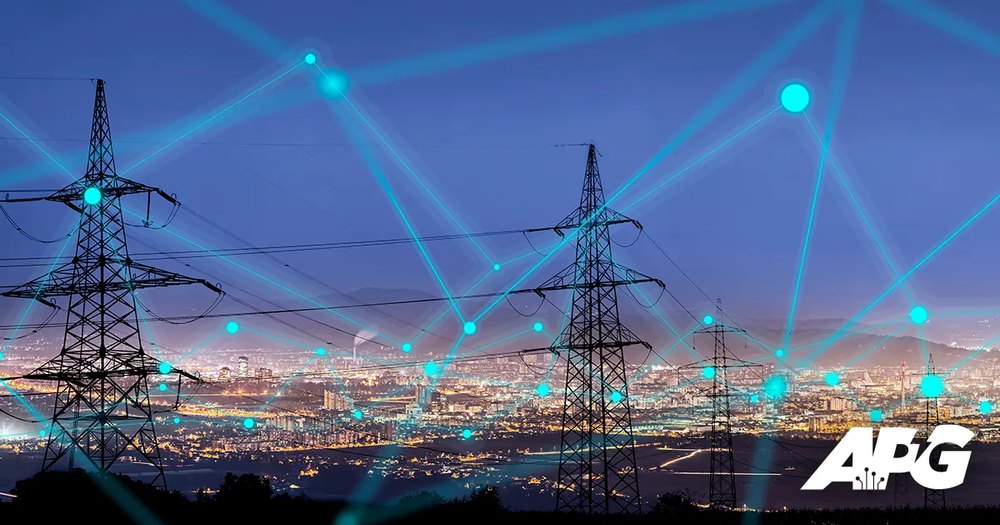
AI’s growth depends on electricity, and a new power supply can be among the slowest parts of the build-out to bring online.
American PowerGen lets you invest in power development early, before its projects produce electricity. The Texas company plans 16 projects, about 22 gigawatts in total. It lines up land, permits, engineering and grid studies, then looks for large buyers and partners.
Securities are being offered pursuant to Regulation Crowdfunding through DealMaker Securities LLC. Please review the offering materials, including the Form C, before investing at invest.americanpowergen.com.
|
|
|
The story
Regular gas averaged $4.29 a gallon on Sunday, AAA says. That is down about 20 cents from a month ago, and up from $3.06 a year ago.
Oil sets that price, and oil is climbing again. Brent, the world’s main oil price, closed Friday at $116.72 a barrel, its highest close since April. It rose about 6% in a week after Houthi rebels in Yemen, who are backed by Iran, attacked targets across Saudi Arabia.
The U.S. and Israel went to war with Iran on Feb. 28. An April ceasefire and a June deal both fell apart by July. Major U.S. strikes paused in early September, but no ceasefire is in place.
Iran keeps attacking ships near the Strait of Hormuz, the narrow sea lane that carries much of the Gulf’s oil. October set a record for those attacks, Reuters reports.
On Oct. 21, The New York Times reported new U.S. and Israeli strike plans. It described a short, intense operation after the Nov. 3 midterm elections. The White House says no attack will come before the vote.
President Trump has not signed off on the plans. On Saturday he told reporters he “may have to finish it off, or maybe they’ll make a deal.” Then he added: “Either way, we win.”
Early Monday, Brent slipped about 2% on word that Qatari mediators had flown to Tehran. Officials from Saudi Arabia, Pakistan and Turkey were due there too.
Trump’s energy secretary, Chris Wright, expects gas to keep falling. On Oct. 18 he told CNN that prices “will continue to come down.”
Vivek Dhar of Commonwealth Bank of Australia sees the opposite risk. On Monday he said Brent could climb “as high as $150 a barrel” before high prices force buyers to use less. Costly fuel also feeds inflation, which is why traders expect the Fed to raise interest rates in December.
|
|
$116.72
Brent oil, per barrel, at Friday’s close
|
$4.29
A gallon of regular on Sunday, national average
|
78%
Market odds the Fed raises interest rates in December
|
|
|
War premium
|
The extra amount traders pay for oil because of what could go wrong. Goldman Sachs analysts put it near $25 a barrel last week, about 60 cents on every gallon.
|
|
|
The oil prices in this story are quoted in dollars. In the message below, Porter Stansberry of Porter & Co., an investment research firm, traces that to a 1974 deal with Saudi Arabia and argues the arrangement is changing:
|
In July 1974, Treasury Secretary William Simon boarded a secret flight to Saudi Arabia.
Under the orders of Nixon’s top national-security advisor Henry Kissinger, what he proposed to King Faisal in the coastal city of Jeddah would become the greatest financial arrangement in the history of the world.
Saudi Arabia would price its oil in dollars.
Within a year, every other OPEC nation followed suit. The U.S. dollar was now backstopped by the one commodity the entire modern world could not function without.
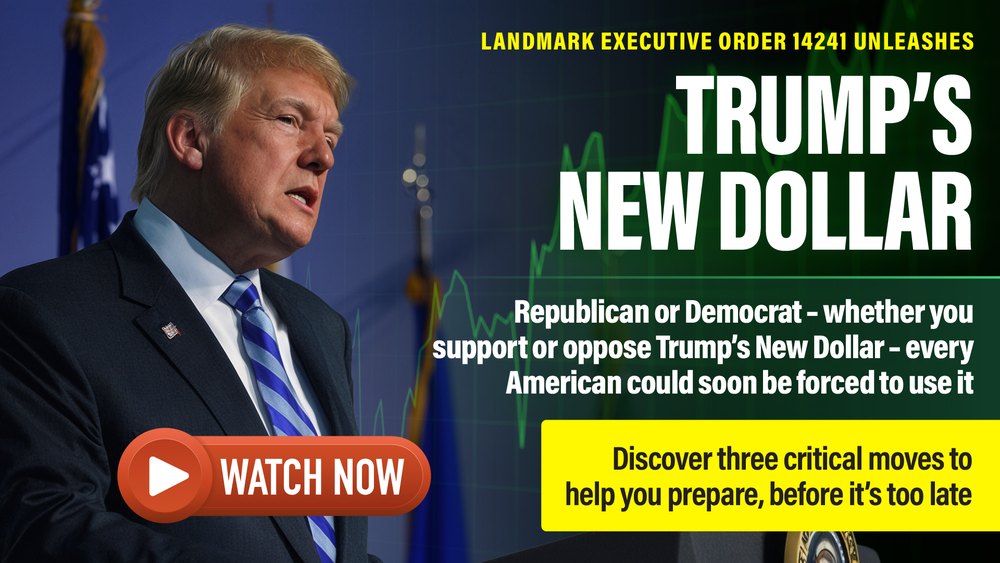
While most Americans have been distracted by the tariffs, UFO memes, and the war in Iran, Trump has been quietly assembling the most ambitious monetary reset in half a century. In my new briefing I lay out the full story and how it could impact your money. |
|
|
If a deal lands first
Our best-case projection: March 2027
|
If the strike comes
Our worst-case projection: December 2026
|
|
|
Best case
MARCH 2027. The talks Qatar carried to Tehran in October ended in a deal before the vote. Saudi Arabia, Pakistan and Turkey sat at the table too, and this deal held where the April ceasefire had failed. The strike plans were dropped.
Traders stopped paying for fear, and the war premium drained out of the price over the winter. That took about 60 cents off every gallon. Regular now costs about $3.70.
With gas falling and inflation cooling, the Fed skipped the December rate hike traders had expected. Card and loan rates held where they were.
Diesel fell with gas, so delivery and grocery costs eased too. A 15-gallon fill-up cost about $9 less than in October.
|
|
Worst case
|
DECEMBER 2026. The strike came the week after the vote. Short and intense, just as the plans described. It spared Iran’s oil fields to keep gas prices down.
Iran hit back at oil anyway. With the Houthis, it went after tankers near Hormuz, then pipelines and ports in Saudi Arabia. October had set a record for attacks on ships, and December broke it.
Goldman Sachs had warned in October that renewed fighting could take Brent to $125 by December. It went past that. All the way to $150.
Regular now costs about 80 cents more than in October, roughly $5.10 a gallon. That beats the 2022 record of $5.02.
Diesel moves every truck, so the grocery bill climbs behind it. The Fed raised rates at its December meeting, so car loans and credit card balances cost more in the same month.
|
|
|
How it ends
You get gas stuck above $4 and a December rate hike, unless a deal with Iran is signed by Election Day, Nov. 3.
The White House set that date when it promised no attack before the midterms. Israeli officials told ABC News that strikes would come “almost certainly” after them.
After Election Day, a deal has to race a strike plan that is drawn up and waiting for Trump’s signature. Until a deal is signed, traders will keep paying the war premium, about 60 cents in every gallon.
Two deals have already failed this year, so traders will want a signature before they believe the next one. No signature, no discount.
The Fed watches gas prices too. Fuel feeds inflation, and consumer prices rose 3.7% in the year to September. That keeps the Fed leaning toward a December rate hike. A hike raises what you pay on credit cards and home equity loans.
The bigger risk to your wallet is Iran’s answer to a strike. Reports say the U.S. strike plans would spare Iran’s oil fields to keep gas prices down.
Iran decides where it hits back, and this month it chose ships near Hormuz.
|
|
|
Election Day, Nov. 3. The White House promise of no attack runs out the next morning. If no deal with Iran is signed by then, nothing rules out a strike, though Trump has not yet approved one. Watch for one headline that week: a signed deal, or none.
|
|
|
Before you go
|
|
One more message, this one from a coffee grower in Colombia:
|
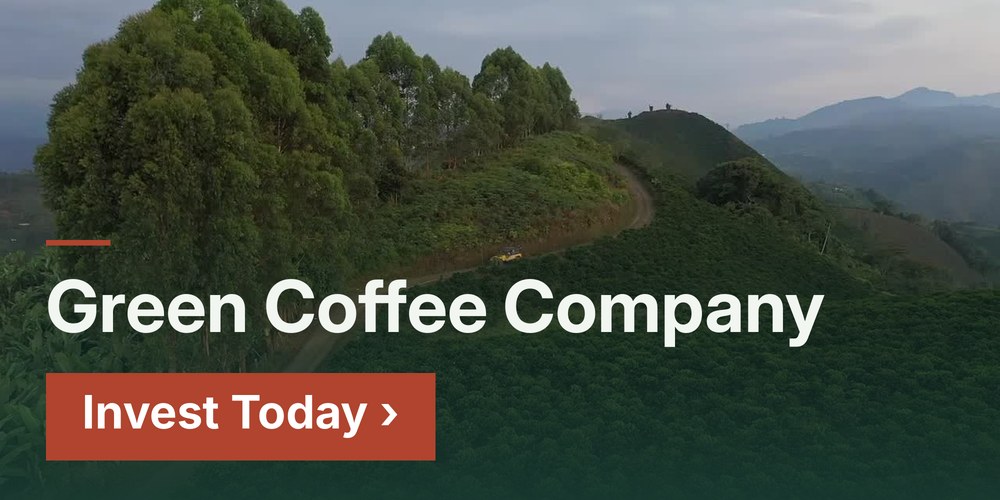
It grows coffee on 45 farms it owns in Colombia, and its sales rose from $1 million in 2021 to $26 million in 2025.
Private investments are speculative and illiquid. Returns are not guaranteed. Review the offering circular before investing.
|
|
|
Each weekday, The Last Page takes one big story to its ending. To stop getting it, use the button below.
|
|
The Last Page.
The last page, first. Reply and name the story you want finished.
|
|
American PowerGen: Securities are being offered pursuant to Regulation Crowdfunding through DealMaker Securities LLC. Please review the offering materials, including the Form C, before investing at invest.americanpowergen.com.
Green Coffee Company: Past performance does not guarantee future results. A 3.5% transaction fee applies to each subscription. Bonus shares are capped at 20% in aggregate, self-directed IRA subscriptions do not receive them, and other eligibility rules apply. This is a paid advertisement for Green Coffee Company’s Regulation A offering. Please read the offering circular at invest.greencoffeecompany.com.
|
|
|