|
Monday, September 28, 2026 |
|
The Last Page.
The last page, first.
|
|
Your Can of Coffee Is Fourteen Months Behind the Bean
The bean has lost more than a third of its price, and the company behind Folgers says costs pass through in both directions. The government’s weather forecasters say a very strong El Niño is forming over Brazil’s flowering season.
|
|
Every can on a grocery shelf starts on somebody’s farm. The company below grows its own.
THE SHELF COUNT
3,000+ STORES | +1,700 WALGREENS | 130+ CHAINS |
Target scheduled a rollout for 55 locations. Inventory at many of them ran out in a single week, so the retailer raised the count to over 300. Walgreens then added 1,700 of its own.
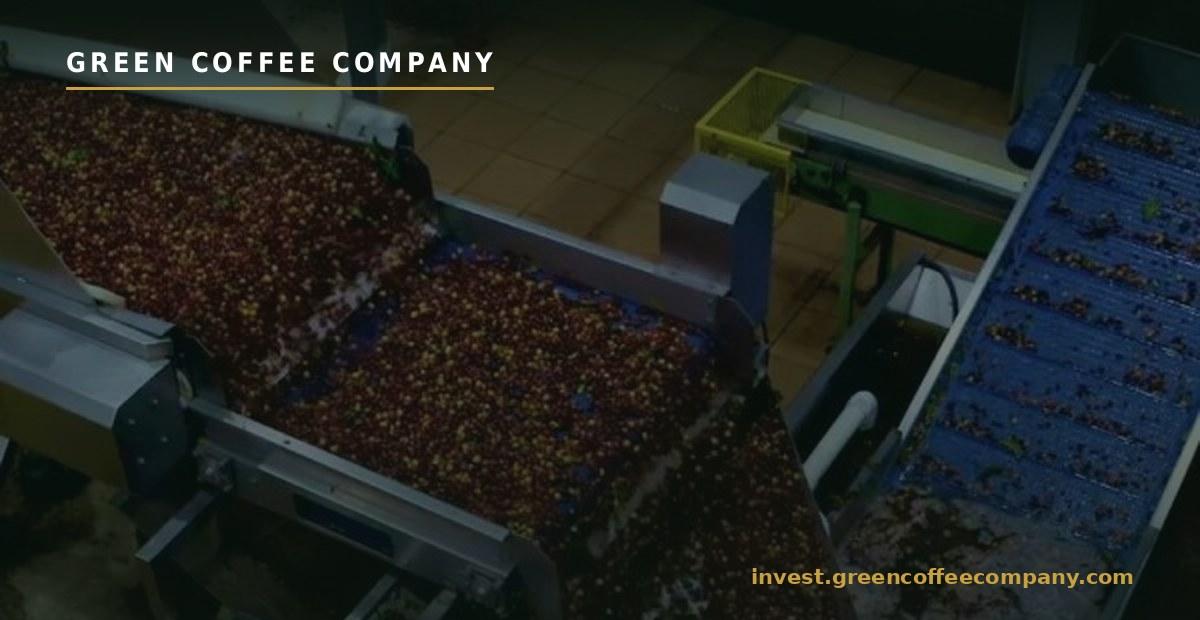
Green Coffee Company grows the coffee behind them on 45 farms it owns in Colombia. Revenue moved from $1 million in 2021 to $26 million in 2025. The entry is $1.10 an interest with a $1,001 minimum, and subscriptions above $2,500 add bonus interests.
$1.10 PER INTEREST | $1,001 MINIMUM | UP TO 20% BONUS SHARES | NONE ACCREDITATION |
|
Shares are $1.10 until September 30th - after that, the price changes.
Under Regulation A, a company may change its share price by up to 20% without requalifying the offering with the Securities and Exchange Commission.
|
Private investments are speculative and illiquid. Returns are not guaranteed. Review the offering circular before investing.
|
|
The story
Arabica coffee closed under $2.80 a pound on Friday. In February 2025 it traded above $4.40, so the bean has lost more than a third of its price.
Your can took a much smaller trip. The Labor Department’s average for a pound of ground coffee hit a record $9.72 in April. In August it was $9.30. Still up almost five percent on a year ago.
Mark Smucker, who runs the company behind Folgers, called coffee “a pass-through category” in June, with costs passed along “up and down.”
Maniti Doshi, a senior analyst at GlobalData, is watching the sky over Brazil. “El Niño is by far the biggest risk to the global coffee market at the moment,” Doshi told Just Drinks in July.
One says the lower price is on its way to your cart. The other says the weather gets there first.
|
|
Best case
APRIL 2027. The can at your grocery store is back under nine dollars, where it last sat in August 2025. It came down without a press release, the same way it went up. A few cents a trip.
Brazil brought in the record crop the Agriculture Department forecast in June, 71.9 million bags, with arabica up a quarter. The weather came and went, and the flowers held.
Smucker did what its chief executive said it would. The cheaper winter beans reached the shelf on the same slow clock the price used going up. Weekend deals turned into the everyday price, one aisle at a time.
Your wife stopped expecting the 2024 price back a while ago. But the big canister is in the cart again, and it lasts the month.
|
|
Worst case
|
MARCH 2027. The flowers in Minas Gerais came in thin. The rains Brazil’s trees wait for every September and October arrived late. Late and light.
The weather service had put the odds of a very strong El Niño above ninety percent back in September. By Christmas the bean was climbing toward its old record, and the traders who had been selling it were buying.
The promotions ended first. Smucker had lowered prices through deals and discounts, and a deal can stop on a Tuesday.
At the diner by the highway the bottomless cup got a price of its own. A card taped to the register blamed Brazil.
The can never made it down. It is above last April’s record now, and the store brand beside it moved too. You are counting scoops.
|
|
|
37%
Arabica, off its February 2025 high
|
4%
A pound of ground coffee, off its April record
|
14 months
From the bean’s peak to the can’s
|
|
|
How it ends
You get a can that drifts down through spring, unless the bean climbs back above $3.50 first.
The can is late by design. Roasters buy their beans months ahead, so this week’s shelf price reflects beans bought earlier in the year.
On the way up, the lag ran fourteen months. The bean peaked in February 2025, and the can kept climbing until April of this year. The beans in this winter’s cans were bought well under that old high.
Tucker Marshall is Smucker’s finance chief. In June he told investors to expect coffee costs to fall by a mid-single-digit percentage this fiscal year, which ends in April. Passed through on a nine-dollar can, about fifty cents.
Meanwhile the gap between the bean and the can sits with the roaster. Smucker told investors its retail coffee business would get its margin back into the high-20s percent range this fiscal year.
We ran it both ways. The lag works for you. The weak spot is the promotion, because a store can take a promotion back in a week.
So a flowering scare in Brazil would skip the long wait and end the deals first.
The can follows the bean at a walk, and the promotion is the only part that can run.
|
|
|
Arabica futures on ICE, quoted on any market page. They closed under $2.80 on Friday, near their lowest since June. A move back above $3.50, where the bean traded last December, means Brazil reached your can before the cheaper beans did.
|
|
|
One story each weekday, run all the way to its ending. If that is not what you signed up for, the way out is below.
|
|
The Last Page.
The last page, first. Reply and name the story you want finished.
|
|
|